 Detourmap
Archaeological & historic sites in Asia
2,227 archaeological & historic sites in Asia, spread across 43 countries. The best known is Damascus in Syria. The 96 best known are below; the rest are on the map.
- In Asia
- 2,227
- Countries
- 43
- Share of world
- 16%
- Little known
- 1,621 of 2,227
-
4.Babylon
Archaeological · 22nd century BC · Iconic
Capital city of Babylonia and an archaeological site in modern-day Iraq
-
5.Constantinople
Archaeological · 4th century · Iconic
Capital of the Eastern Roman, Latin and Ottoman Empires, currently Istanbul, Turkey
-
6.Troy
Archaeological · 30th century BC · Iconic
Ancient Homeric-era city in northwest Asia Minor; it is known as the setting for the Greek myth of the Trojan war
-
9.Persepolis
Archaeological · 6th century BC · Iconic
Ancient city in Marvdasht County, Iranian national heritage site and World heritage site
-
13.Temple of Ephesian Artemis
Archaeological · 4th century BC · Iconic
Temple in Ephesus, one of the Seven Wonders of the Ancient World
-
16.Mausoleum at Halicarnassus
Archaeological · 4th century BC · Iconic
One of the Seven Wonders of the Ancient World
-
17.Terracotta Army
Archaeological · 3rd century BC · Iconic
Collection of ancient Chinese military statues
-
22.Byblos
Archaeological · 80th century BC · Iconic
Mediterranean city in the Mount Lebanon Governorate, Lebanon, a main Canaanite-Phoenician city
-
26.Ujjain
Archaeological · Iconic
Ancient city beside the Kshipra River in the central Indian state of Madhya Pradesh
-
27.Assur
Archaeological · 25th century BC · Iconic
Archaeological site in Iraq, former capital of Assyria
-
29.Byzantium
Archaeological · 7th century BC · Iconic
Ancient Greek city, precursor of Constantinople
-
31.Ctesiphon
Archaeological · 2nd century BC · Iconic
Capital of the Iranian empire in the Parthian and Sasanian eras in present Iraq
-
34.Taxila
Archaeological · Iconic
Archaeological site of the ancient Indian subcontinent, at Taxila, Punjab, Pakistan
-
36.Pergamon
Archaeological · 8th century BC · Iconic
Ancient city of Ionia in modern-day Turkey and UNESCO World Heritage Site
-
38.Nalanda Mahavihara
Archaeological · Iconic
Ancient Hindu-Buddhist monastery in present-day Bihar, India
-
39.Prambanan Temple
Archaeological · 9th century · Iconic
Hindu temple in Yogyakarta and Central Java, Indonesia
-
40.Çatalhöyük
Archaeological · 75th century BC · Iconic
Archaeological site in Konya Province, Turkey
-
44.Hampi
Archaeological · Iconic
Ancient and medieval monuments, a UNESCO World Heritage Site in Karnataka, India
-
46.Capernaum
Archaeological · 2nd century BC · Renowned
Village at Lake Tiberias in the north of historical Judea, associated with Jesus
-
47.Pasargadae
Archaeological · Renowned
Ancient city and archaeological site in Fars Province, Iranian national heritage site
-
54.Sardis
Archaeological · Renowned
Ancient city in Anatolia, today an archaeological site at Sart, Turkey
-
55.Ani
Archaeological · Renowned
Ruined medieval Armenian city in Kars, Turkey, and UNESCO World Heritage Site
-
62.Mehrgarh
Archaeological · 70th century BC · Renowned
Neolithic archaeological site in Balochistan, Pakistan
-
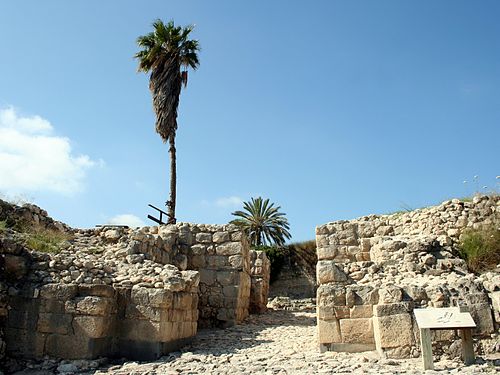
63.Tel Megiddo
Archaeological · 70th century BC · Renowned
Site of an ancient city in northern Israel's Jezreel valley
-
64.Konark Sun Temple
Archaeological · 13th century · Renowned
13th century Surya Temple and UNESCO world heritage site in Odisha, India
-
66.Mỹ Sơn
Archaeological · Renowned
Vietnamese world heritage site with over 100 Cham Hindu monument ruins
-
68.Halicarnassus
Archaeological · 11th century BC · Renowned
Ancient Greek city in Caria, present day Bodrum in Turkey
-
69.Preah Vihear Temple
Archaeological · 9th century · Renowned
Khmer Temple that has territorial conflict between Cambodia and Thailand
-
71.Qumran
Archaeological · 2nd century BC · Renowned
Archaeological site in the Palestinian Authority, West Bank
-
73.Hashima Island
Archaeological · Renowned
Abandoned island lying about 15 kilometres (9 miles) from the city of Nagasaki, in southern Japan. Abandoned concrete buildings and the surrounding sea wall.
-
74.Shahr-e Sukhteh
Archaeological · Renowned
Archaeological site in Sistan and Baluchistan Province, Iran
-
79.Lothal
Archaeological · 24th century BC · Renowned
Prominent city of the ancient Indus valley civilization (present-day Gujarat, India)
-
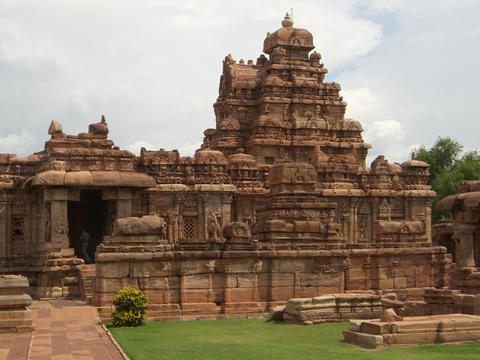
81.Pattadakal Group of Monuments
Archaeological · 8th century · Renowned
World Heritage site with 7th and 8th century temples
-
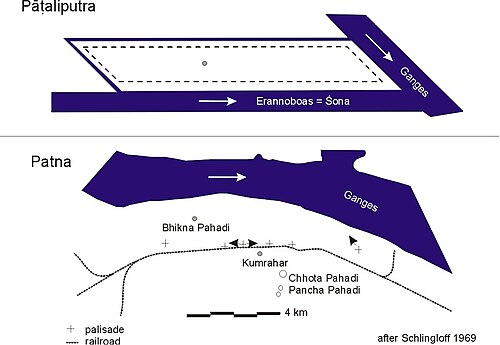
84.Pataliputra
Archaeological · 5th century BC · Renowned
Ancient Indian city, Emperor Asoka’s classic capital city; present day Patna, the capital city of state of Bihar in India
-
86.Dur-Sharrukin
Archaeological · 8th century BC · Renowned
Assyrian capital in the time of Sargon II
-
89.Plain of Jars
Archaeological · Renowned
Megalithic archaeological landscape in Laos, consisting of thousands of stone jars scattered around the upland valleys and the lower foothills of the central p…
-
93.Nicomedia
Archaeological · 3rd century BC · Renowned
Ancient city of Bithynia in modern-day Turkey
-
94.Takht-i-Bahi
Archaeological · Renowned
Archaeological site of an ancient Buddhist monastery in Pakistan


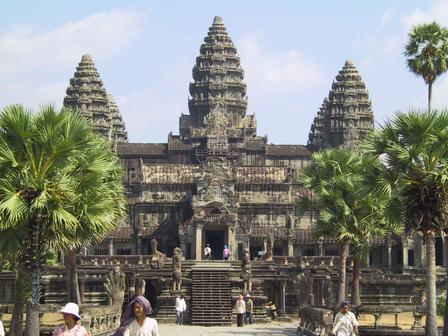


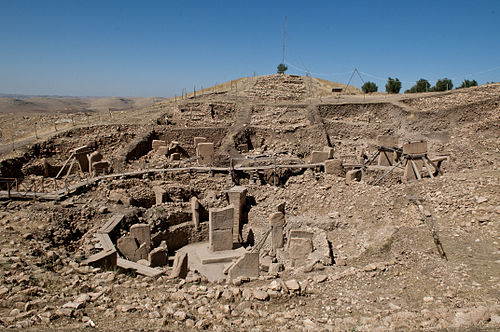


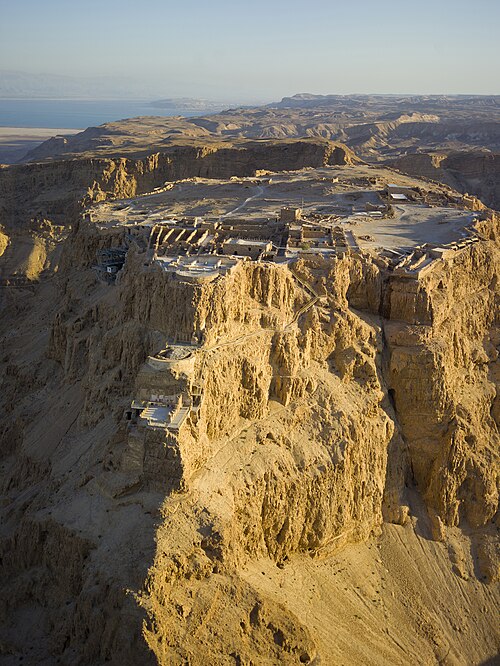


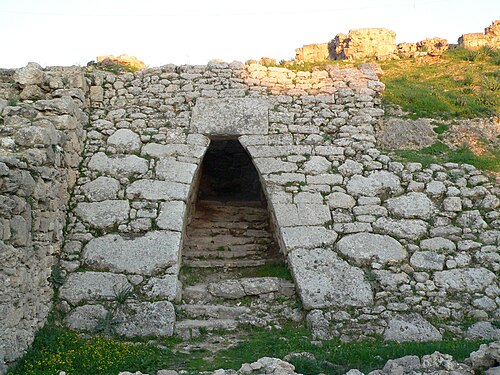








Archaeological & historic sites in Asia, by country
Every country here with at least one. Those with a page of their own link through.
- Japan505
- Turkey394
- Israel217
- China135
- India107
- Syria90
- Thailand75
- Iran68
- Iraq63
- Cambodia49
- Jordan41
- Indonesia40
- Pakistan39
- South Korea35
- Palestine33
- Bangladesh29
- Azerbaijan27
- Kazakhstan25
- Lebanon25
- Afghanistan21
- Uzbekistan20
- Armenia19
- Cyprus19
- Vietnam16
- Saudi Arabia15
- United Arab Emirates15
- Taiwan14
- Philippines12
- Turkmenistan9
- Kyrgyzstan8
- Malaysia8
- Mongolia8
- Myanmar8
- Oman7
- Sri Lanka6
- Tajikistan6
- Qatar4
- Bahrain3
- Laos3
- Nepal3
- Yemen3
- Northern Cyprus2
- North Korea1
Archaeological & historic sites elsewhere
Questions about this page
What are the best known archaeological & historic sites in Asia?
Damascus in Syria leads the list. Capital and largest city of Syria.
Which country in Asia has the most?
Japan (505), Turkey (394) and Israel (217). That ranks how much Wikidata records, not what exists on the ground.
How much of the world is that?
2,227 of the 14,002 archaeological & historic sites on this atlas, so 16%. The rest are on the worldwide page.
Where does this information come from?
Every place is drawn from Wikidata (CC0), with photographs from Wikimedia Commons and a link to its English Wikipedia article. Selection is deterministic: a place is here because Wikidata files it under one of the classes this atlas carries and it has coordinates, a photo and an article. Nothing is written or chosen by an AI, and the ranking is simply how many Wikipedia language editions cover a place.