 Detourmap
Archaeological & historic sites in Israel
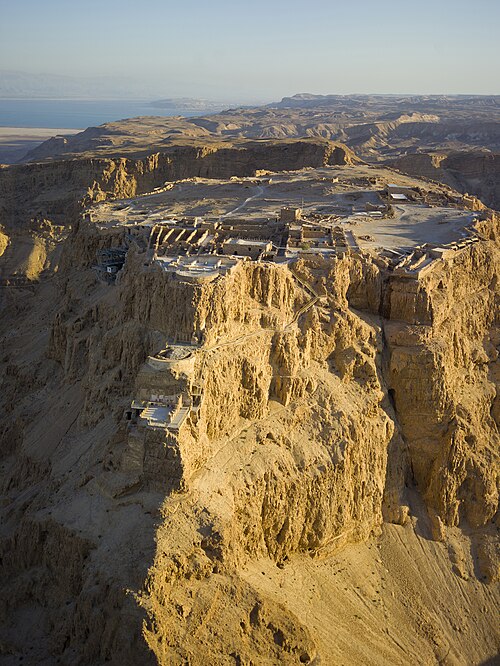
Israel has 217 archaeological & historic sites on Detourmap — ancient ruins, tombs, ghost towns, shipwrecks, catacombs, mines, battlefields and crash sites. The best known is Masada. Ranked by how many Wikipedia editions cover them; this is 1–150, on page 1 of 2.
- Archaeological
- 217
- Oldest
- Tel Megiddo 6999 BC
- Little known
- 159 of 217
- Most from
- 20th century
-
2.Capernaum
Archaeological · 2nd century BC · Renowned
Village at Lake Tiberias in the north of historical Judea, associated with Jesus
-
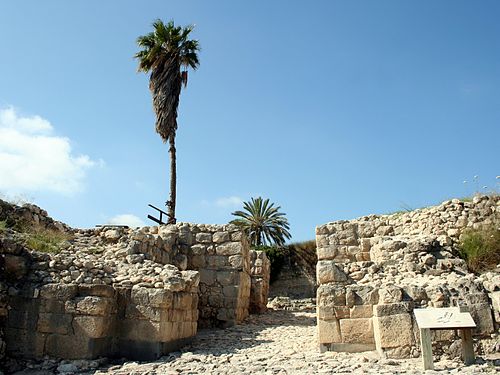
5.Tel Megiddo
Archaeological · 70th century BC · Renowned
Site of an ancient city in northern Israel's Jezreel valley
-
15.Beit She'arim National Park
Archaeological · 20th century · Notable
Archaeological site and national park in Israel
-
19.Gath
Archaeological · Notable
Ancient city and archaeological site mentioned in the Bible and in Akkadian sources
-
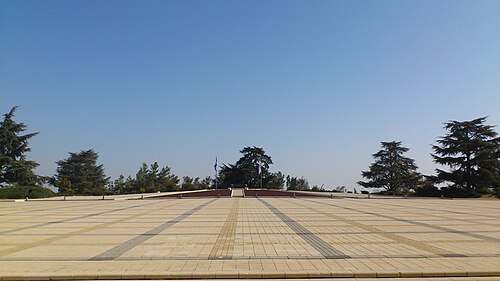
30.Mount Herzl Plaza
Archaeological · Notable
Public square in Jerusalem, site of national ceremonies and adjacent to national military and civilian cemeteries
-
33.Maresha
Archaeological · Notable
Ancient city and archaeological site (tell) in Southern District, Israel
-
44.Tomb of the Prophets Haggai, Zechariah and Malachi
Archaeological · Notable
Ancient burial site in Jerusalem
-
49.Nea Ekklesia of the Theotokos
Archaeological · 6th century · Notable
Byzantine church in Jerusalem, consecrated in 543, dedicated to the Mother of God
-
58.Kathisma Church
Archaeological · 5th century · Notable
5th-century Byzantine church in the Holy Land
-
61.Samakh
Archaeological · 17th century · Hidden gem
Former village on the south end of Lake Tiberias
-
62.Al-Manshiyya, Acre
Archaeological · Hidden gem
A depopulated village in the Acre Subdistrict of Mandatory Palestine
-
68.Southern Wall
Archaeological · 1st century BC · Hidden gem
A wall at the southern end of the Temple Mount
-
72.Al-Sumayriyya
Archaeological · Hidden gem
Village in mandatory Palestine which was depopulated in the 1948 war
-
76.Dayr al-Shaykh
Archaeological · Hidden gem
Former Palestinian Arab village in the Jerusalem corridor
-
80.Tel Kabri
Archaeological · Hidden gem
Tell (hill city), containing one of the largest Middle Bronze (MB) Age (2,100–1,550 BC) Canaanite palaces in ancient Palestine
-
92.Dayr Abu Salama
Archaeological · Hidden gem
Former village in Ramle District, Mandatory Palestine
-
103.Al-Sinnabra
Archaeological · Hidden gem
Historic site on the southern shore of the Sea of Galilee
-
107.Khirbet, Yarda
Archaeological · 13th century BC · Hidden gem
Archaeological site in the Upper Galilee, Israel
-
113.Maon Synagogue
Archaeological · Hidden gem
6th-century synagogue and archaeological site in the Negev Desert
-
122.Tell Keisan
Archaeological · Hidden gem
An archaeological site located 8 km from the Mediterranean coast in the Galilee region of Israel between Haifa and Akko
-
136.Omrit
Archaeological · Hidden gem
Archaeological site of an ancient Roman temple in northern Israel
-
138.Katzrin ancient village and synagogue
Archaeological · Hidden gem
Museum and archaeological site in the Golan Heights
-
143.Wilson's Arch
Archaeological · Hidden gem
Ancient stone arch that is part of Jerusalem's Western Wall
-
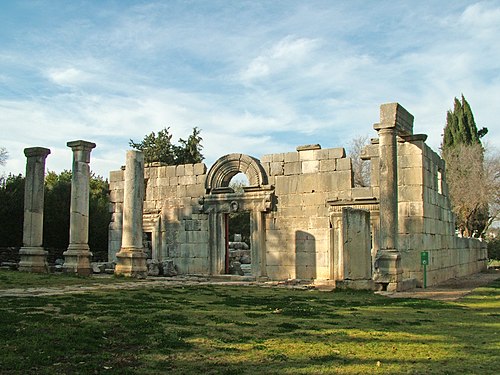
144.Tell Goded
Archaeological · Hidden gem
Archaeological site in Israel, possibly of the biblical city of Moreseth-Gath.










Questions about this page
How many archaeological & historic sites are there in Israel?
217 on this map, out of 14,002 worldwide. That is what Wikidata records for Israel with coordinates, a photograph and a Wikipedia article — the real number on the ground is larger, and for some countries much larger.
What is the best known of the archaeological & historic sites in Israel?
Masada. Archaeological site in southeastern Israel.
Which is the oldest?
Tel Megiddo, dated to 6999 BC. 33 of these 217 carry a founding date, 18 of them from before the year 1000.
Where does this information come from?
Every place is drawn from Wikidata (CC0), with photographs from Wikimedia Commons and a link to its English Wikipedia article. Selection is deterministic: a place is here because Wikidata files it under one of the classes this atlas carries and it has coordinates, a photo and an article. Nothing is written or chosen by an AI, and the ranking is simply how many Wikipedia language editions cover a place.